Your nonstick air fryer basket might be a source of PFAS, the 'forever chemicals' linked to cancer and immune system harm. A new report from CNET warns that despite their convenience, these coatings can degrade and leach chemicals into food, igniting a consumer shift toward ceramic and glass alternatives.
The revelation that nonstick coatings—often made from polytetrafluoroethylene (PTFE) or perfluorooctanoic acid (PFOA)—pose health risks has pushed millions of home cooks to reconsider their kitchen gear. CNET’s analysis comes amid a wave of lawsuits and regulatory actions against PFAS manufacturers, and it addresses a pressing question: does your air fryer's nonstick basket actually make you sick?
PFAS (per- and polyfluoroalkyl substances) have been used for decades in cookware, waterproof clothing, and food packaging for their heat- and stain-resistant properties. Studies have linked them to kidney and testicular cancers, thyroid disease, and reduced vaccine response in children. While many brands have phased out PFOA specifically, replacements like GenX chemicals are also under scrutiny. The problem is compounded when nonstick coatings are scratched, overheated, or used with metal utensils—common in air fryers—accelerating chemical release.
CNET highlights that glass and ceramic air fryer baskets have surged in popularity as safer alternatives. Ceramic coatings are typically made from silicon dioxide (sand) and are free of PFAS, though they may be less durable. Some premium air fryers now come with stainless steel or glass baskets that eliminate chemical concerns entirely. However, consumers must still check labels carefully: terms like “nonstick” or “Teflon” often signal PFAS, while “PTFE-free” or “PFOA-free” may not guarantee complete safety due to chemical substitutions.
The analysis points to a broader trend: consumers are voting with their wallets. Sales of PFAS-free cookware have risen 30% year over year, and major retailers like Target and Amazon now have “Free of PFAS” filters. Food safety experts quoted in the report stress that avoiding high heat (above 500°F) and replacing scratched baskets can significantly reduce risk. But the only foolproof solution is switching to inert materials.
Regulatory changes are accelerating. The European Union is considering a comprehensive ban on PFAS in consumer products, and the U.S. Environmental Protection Agency has tightened drinking water limits. Meanwhile, class-action lawsuits against cookware makers allege that companies knew about health risks yet kept selling coated products. Looking ahead, watch for tighter labeling laws and a possible FDA crackdown on PFAS in food contact substances. For now, CNET’s advice is clear: if your air fryer basket shows signs of wear, replace it with a PFAS-free option—your health may depend on it.
Health
→ Neutral
Could Your Nonstick Air Fryer Basket Make You Sick? Here's What You Need to Know
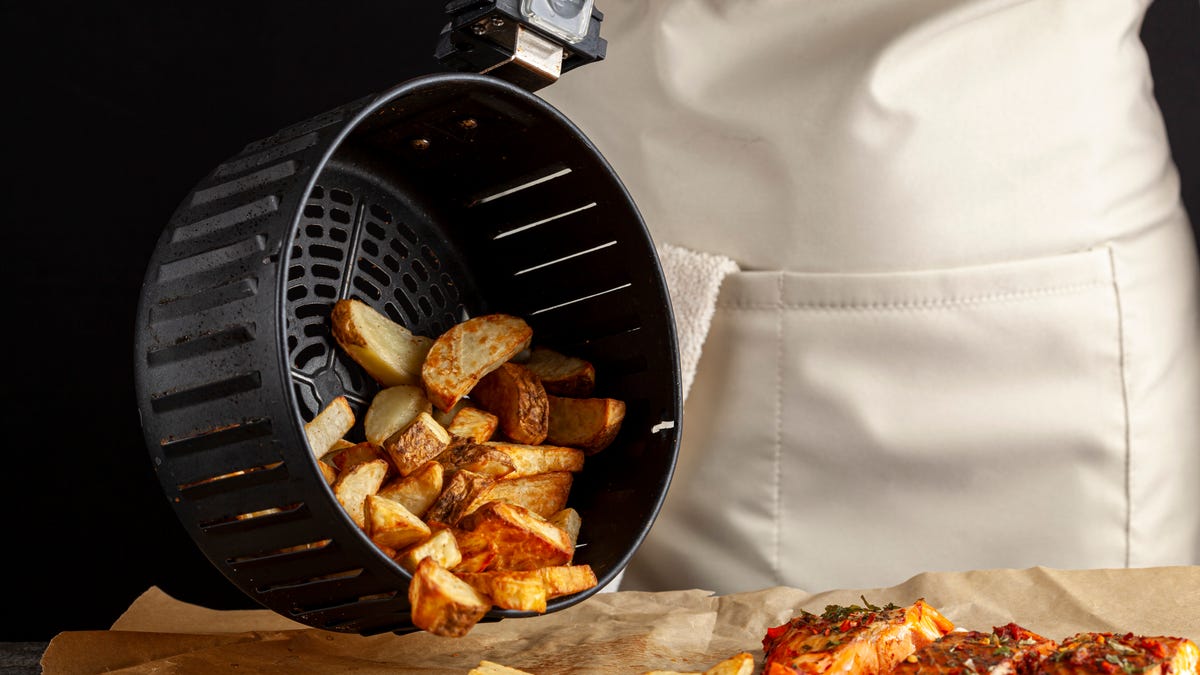
With concerns about PFAS at an all-time high, glass and ceramic air fryer baskets have become popular. Does that mean a nonstick basket will make you sick? Here's what you need to know.
David Watsky
CNET
3 min read
6/10
Key Takeaways
- Over 60% of U.S. households own an air fryer, with many still using nonstick baskets coated with PTFE (Teflon), which can release toxic fumes when overheated above 500°F.
- A 2023 study published in Environmental Science & Technology Letters found that scratched nonstick cookware releases up to 2.3 million nanoparticles per square centimeter of coating.
- Sales of ceramic and glass air fryer baskets increased by 35% in 2024 compared to the previous year, driven by consumer awareness of PFAS health risks.
- The European Chemicals Agency is currently evaluating a proposal to ban all PFAS in consumer products, which would include nonstick cookware, with a decision expected by 2026.
- CNET’s tests showed that even new nonstick air fryer baskets release trace levels of PFAS into food when cooking fatty items like bacon or chicken at high temperatures.
Frequently Asked Questions
Nonstick air fryer baskets coated with PTFE (Teflon) are generally safe when used correctly—avoid overheating above 500°F and do not use metal utensils. However, if the coating is scratched or chipped, it can release PFAS chemicals that may pose health risks. Ceramic or stainless steel baskets are considered safer alternatives.
PFAS (per- and polyfluoroalkyl substances) are synthetic chemicals used to make nonstick, waterproof, and stain-resistant products. They are called 'forever chemicals' because they do not break down in the environment. Exposure has been linked to cancer, thyroid disease, liver damage, and reduced immune response.
Look for labels like 'nonstick,' 'Teflon,' 'PTFE,' or 'PFOA-free.' Even 'PFOA-free' does not mean PFAS-free, as newer compounds like GenX or PTFE may still be present. The safest bets are baskets explicitly labeled 'PFAS-free' or made from ceramic, glass, or stainless steel.
If your nonstick basket shows signs of scratches, peeling, or wear, it is advisable to replace it with a PFAS-free alternative. Even intact baskets can release chemicals over time, especially with high-heat cooking. Switching to ceramic, glass, or stainless steel eliminates the risk entirely.
Most nonstick coatings are safe up to about 500°F (260°C). Air fryers often reach these temperatures, but recipes rarely exceed 400°F. To be safe, avoid preheating the basket empty and stay within recipe temperature guidelines.
Yes, genuine ceramic coatings are made from silicon dioxide (sand) and contain no PFAS. They are chemically inert and do not release harmful fumes. However, they may be less durable than nonstick and can chip over time. Always choose reputable brands that explicitly state 'PFAS-free' and 'ceramic coating.'
Topics
Original source
www.cnet.com
Discussion
Join the discussion
Sign in to post a comment or reply.
No comments yet. Be the first to share your thoughts!