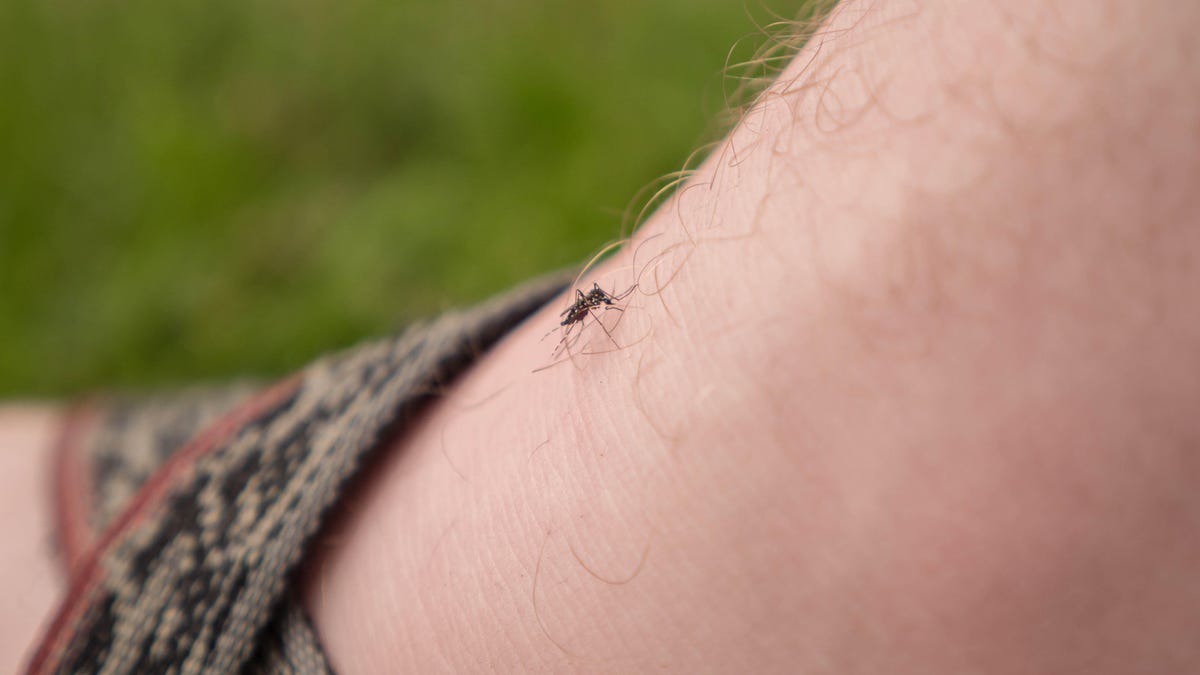
Mosquitoes might soon face a high-tech nemesis: a mobile laser-zapping robot powered by artificial intelligence. Inventor Steven Cheng is developing prototypes of a portable defense system that uses computer vision and laser precision to target and kill mosquitoes in real time. This innovation arrives as the world seeks new weapons against mosquito-borne diseases that kill hundreds of thousands of people annually.
The concept isn't entirely new. Intellectual Ventures, the patent firm once led by Nathan Myhrvold, introduced the "Photonic Fence" over a decade ago—a stationary laser system designed to shoot mosquitoes out of the air. That project, however, struggled with cost, size, and field reliability. Cheng's approach aims to solve those problems by making the system mobile, compact, and affordable, leveraging advances in AI image recognition and off-the-shelf laser components.
Cheng, whose background includes robotics and embedded systems, has built multiple prototypes that use a camera array and a neural network to identify mosquitoes by their wing beat frequency and flight patterns. Once identified, a low-power laser tracks and zaps the insect without harming beneficial pollinators like bees. The system is designed to operate in real-world outdoor conditions, distinguishing mosquitoes from other flying objects. Cheng has not yet released full technical specs but says the prototypes can achieve high kill rates in controlled tests.
The timing is crucial. Climate change is expanding mosquito habitats into new regions, and insecticide resistance is growing among key disease vectors. In 2022 alone, malaria caused an estimated 608,000 deaths worldwide, while dengue cases surged to record levels. Traditional control methods—nets, sprays, repellents—remain critical but have limitations. A mobile laser zapper could complement these tools, especially in backyards, campsites, and agricultural areas where chemical spraying is impractical.
Broader implications extend beyond mosquitoes. The same AI-laser platform could be adapted for pest control in agriculture, targeting crop-destroying insects with pinpoint accuracy and reducing pesticide use. Environmental groups may welcome a chemical-free alternative. However, concerns about autonomous lethal systems—even aimed at insects—may spur ethical questions about AI-driven killing devices. Informed observers in the pest control industry see Cheng's work as a promising proof of concept, but they caution that real-world deployment will require solving durability, power consumption, and cost challenges.
What happens next is not yet clear. Cheng is seeking funding and partnerships to advance his prototypes toward commercial viability. If successful, early versions could hit the consumer market within two to three years. Key milestones to watch include field trials in mosquito-prone areas, regulatory approvals for laser devices, and integration with smart home systems. Whether this becomes the mosquito killer of the future or remains a clever lab project, the fusion of AI and lasers is pushing pest control into a new, targeted era.
Technology
↑ Positive
Zapping Mosquitos With Lasers Is a Real Thing, Thanks to AI
Inventor Steven Cheng is developing prototypes for a mobile bug-zapping defense system.
Omar Gallaga
CNET
3 min read
6/10
Key Takeaways
- Inventor Steven Cheng, a robotics engineer, is developing a mobile AI-powered laser system that identifies and kills mosquitoes by their wing beat frequency and flight patterns.
- The prototype uses a camera array and neural network to distinguish mosquitoes from other insects, ensuring minimal harm to beneficial species like bees.
- Previous laser mosquito control efforts, such as Intellectual Ventures' Photonic Fence, were stationary and costly; Cheng's system aims to be portable, affordable, and field-deployable.
- Mosquito-borne diseases including malaria, dengue, and Zika kill over 700,000 people each year, fueling demand for new, chemical-free pest control technologies.
- If commercialized, the AI-laser platform could expand beyond mosquitoes to agricultural pest management, reducing reliance on broad-spectrum chemical pesticides.
Frequently Asked Questions
The system uses a camera array and a neural network to identify mosquitoes by their wing beat frequency and flight patterns. Once identified, a low-power laser tracks and zaps the mosquito without harming other insects.
The Photonic Fence is an earlier laser mosquito killing system developed by Intellectual Ventures. It was stationary and expensive, and it paved the way for newer, portable approaches like Steven Cheng's mobile prototype.
Mosquitoes transmit diseases such as malaria, dengue, Zika virus, West Nile virus, and chikungunya. These diseases cause hundreds of thousands of deaths annually, mostly in tropical and subtropical regions.
No, Steven Cheng's prototype is still in development. He is seeking funding and partnerships to advance the technology toward commercial availability, with potential consumer release in two to three years.
Challenges include making the system durable for outdoor use, keeping power consumption low, lowering manufacturing costs to consumer-friendly levels, and ensuring the laser doesn't accidentally harm non-target species.
Steven Cheng is an inventor and engineer with a background in robotics and embedded systems. He is developing the AI laser mosquito zapper as a mobile, affordable pest control alternative.
Original source
www.cnet.com
Discussion
Join the discussion
Sign in to post a comment or reply.
No comments yet. Be the first to share your thoughts!