**HOOK:** A £3.7bn trade deal between the UK and six Gulf states will slash tariffs on British exports by £580m — but rights groups warn it whitewashes serious human rights abuses in the region.
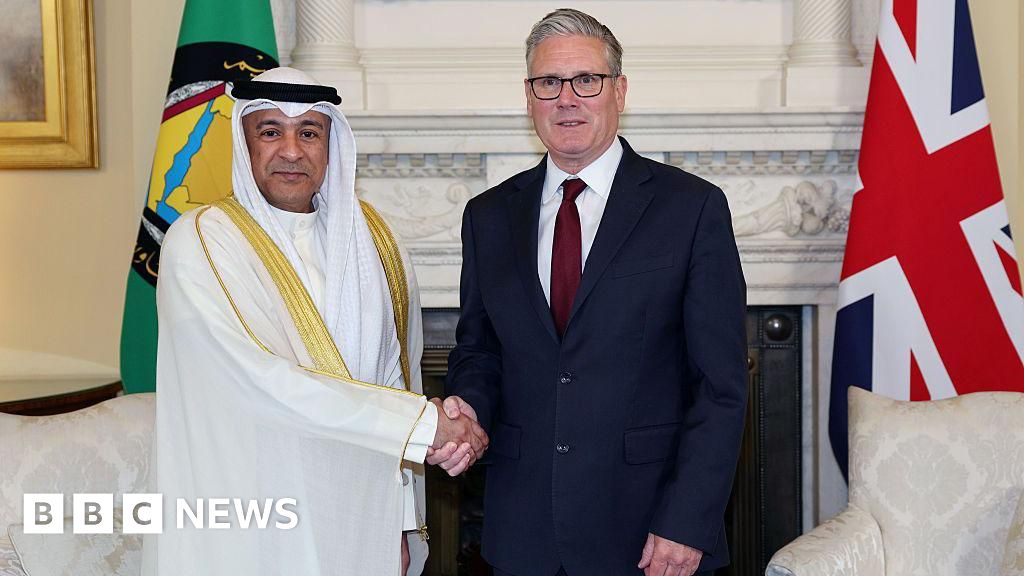
**LEAD:** The UK government has formally agreed a trade deal with the six-member Gulf Cooperation Council (GCC) — Saudi Arabia, the United Arab Emirates, Qatar, Oman, Bahrain, and Kuwait — valued at £3.7 billion in bilateral trade. The agreement, announced today, is expected to eliminate approximately £580 million in tariffs on British goods, marking the UK’s largest post-Brexit trade pact with the Middle East.
**CONTEXT:** The deal comes as Britain seeks to deepen economic ties outside the European Union after Brexit. The GCC is a major market for UK services and manufactured goods, from machinery to pharmaceuticals. Negotiations began in 2022 and were fast-tracked amid growing competition from China and the EU for Gulf investment. Critics, however, argue the UK is prioritising trade over ethics by signing a deal with states that have poor records on freedom of expression, women’s rights, and migrant labour conditions.
**KEY DETAILS:** The agreement covers goods, services, and digital trade. Tariff reductions will apply to key British exports including cars, aerospace components, and agricultural products. UK businesses are expected to save up to £580m annually in customs fees. The six Gulf states together represent a population of over 56 million and are among the world’s largest hydrocarbon producers. Rights groups including Amnesty International and Human Rights Watch have condemned the deal, stating it legitimises the Gulf monarchies’ crackdowns on dissent and labour exploitation.
**ANALYSIS:** Trade experts see the pact as a strategic win for the UK’s independent trade policy, but warn the economic benefits may be modest relative to the size of the UK economy. The £3.7bn figure represents less than 1% of total UK trade. More significant may be the political alignment: the Gulf states are pivotal actors in energy markets and Middle Eastern security. By locking in tariff-free access, the UK secures a foothold against rivals like China, which has aggressively courted the region. Yet the human rights critique echoes controversies around previous UK deals with Saudi Arabia, such as arms sales. The government defends the deal by citing clauses on labour standards, but activists dismiss these as toothless.
**OUTLOOK:** The agreement will be presented to the UK parliament for ratification in the coming months. Implementation is expected to begin in early 2025. Observers will watch for how the Gulf states reciprocate with investment in UK infrastructure and technology. The deal also sets a precedent for further UK negotiations with other Middle Eastern economies, such as Oman and Kuwait individually. However, the shadow of human rights accusations could complicate future trade partnerships, especially if the Labour opposition pushes for greater ethical scrutiny.
Economy
→ Neutral
UK agrees £3.7bn trade deal with six Gulf states
The deal will remove an estimated £580m worth of tariffs from British exports, but rights groups are critical
BBC Business
3 min read
7/10
Key Takeaways
- The UK-GCC trade deal is worth £3.7 billion and eliminates about £580 million in annual tariffs on British exports.
- The six Gulf states are Saudi Arabia, United Arab Emirates, Qatar, Oman, Bahrain, and Kuwait — collectively the Gulf Cooperation Council.
- Key UK export sectors benefiting include automotive, aerospace, pharmaceuticals, and agricultural goods.
- Human rights groups including Amnesty International and Human Rights Watch have criticised the deal for ignoring abuses such as labour exploitation and suppression of dissent.
- The deal is the UK’s first major post-Brexit trade pact with the Middle East, and ratification is expected by early 2025.
Frequently Asked Questions
The UK Gulf trade deal is a bilateral trade agreement between the United Kingdom and the six-member Gulf Cooperation Council (GCC): Saudi Arabia, UAE, Qatar, Oman, Bahrain, and Kuwait. It is valued at £3.7 billion in trade and removes approximately £580 million in tariffs on British exports.
The deal eliminates an estimated £580 million worth of tariffs on British goods exported to the six Gulf states. This applies to sectors like cars, aerospace components, and agricultural products.
Rights groups argue the deal ignores serious human rights abuses in GCC countries, including suppression of dissent, labour exploitation of migrant workers, and restrictions on women's rights. They say the UK is prioritising economic gain over ethical standards.
The agreement has been signed and will be presented to the UK parliament for ratification. Implementation is expected to begin in early 2025 after legal and procedural steps are completed.
Key UK export sectors that benefit include automotive (cars and parts), aerospace (aircraft components), pharmaceuticals, and agricultural goods such as food and drink products.
It is the UK's first major trade pact with the Middle East since leaving the EU. At £3.7 billion, it is smaller than deals with Australia and New Zealand but strategically important for energy and geopolitical ties.
Topics
Original source
www.bbc.com
Discussion
Join the discussion
Sign in to post a comment or reply.
No comments yet. Be the first to share your thoughts!