The Galaxy S26 Ultra's rumored 200-megapixel sensor is not even the most surprising entry in CNET's latest roundup of the best camera phones they've tested. From the iPhone 17 Pro and Google Pixel 10 Pro to two obscure handsets that could redefine mobile photography, this list upends expectations about which brands dominate imaging.
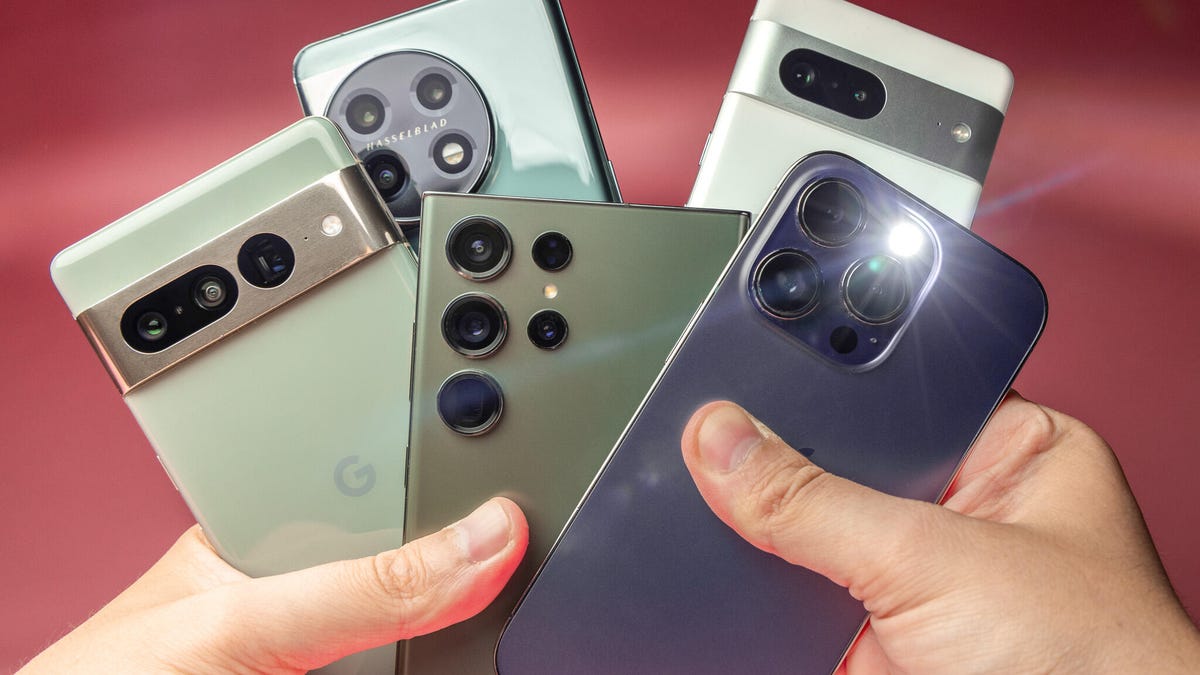
CNET has released its annual evaluation of smartphone cameras, this time including unreleased flagship models expected to launch in late 2025. The test covers the iPhone 17 Pro, Google Pixel 10 Pro, Samsung Galaxy S26 Ultra, and two lesser-known devices from emerging Chinese manufacturers. The results highlight dramatic advances in computational photography powered by on-device AI and custom image signal processors.
The smartphone camera race has intensified as manufacturers prioritize camera quality as a key differentiator. Apple, Google, and Samsung have long led the pack, but competitors like Xiaomi, Oppo, and Vivo are closing the gap with innovative hardware and AI-driven software. This year's tests also include phones from brands like Nothing and Tecno, reflecting a broader trend of democratizing high-end photography features.
The iPhone 17 Pro is expected to introduce a periscope telephoto lens with 5x optical zoom, while the Pixel 10 Pro promises significant improvements in low-light processing through Google's Tensor G5 chip. Samsung's Galaxy S26 Ultra reportedly features a 200MP main sensor and enhanced AI scene recognition. However, the two surprise phones—the Xiaomi 15 Ultra and the Vivo X200 Pro+—boast larger sensors and Zeiss optics, delivering color reproduction and dynamic range that rival dedicated cameras.
Industry analysts point to a convergence of hardware and software as the driving force. "We're seeing smartphone cameras finally challenge point-and-shoots even in challenging conditions," says technology analyst Marina Chen. The integration of generative AI for tasks like object removal and HDR fusion is becoming standard, narrowing the gap between phones and mirrorless cameras. This arms race pushes innovation but also raises questions about computational artifact and user control.
Looking ahead, expect the competition to heat up with the official launches of these phones in fall 2025. Benchmark tests and user reviews will determine if the hype translates to real-world performance. For consumers, the choice will increasingly depend on ecosystem preference and specific photography priorities, such as zoom, portraiture, or video stabilization. One thing is clear: the era of mediocre phone cameras is over.
Technology
→ Neutral
These Are the Best Phone Cameras That We've Tested
From the iPhone 17 Pro and Google Pixel 10 Pro to Samsung's Galaxy S26 Ultra and two phones you may have never heard of, these are the top camera phones we've tested.
Andrew Lanxon
CNET
2 min read
6/10
Key Takeaways
- CNET's tests include unreleased models like the iPhone 17 Pro, Pixel 10 Pro, and Galaxy S26 Ultra, as well as two Chinese flagship phones from Xiaomi and Vivo.
- The iPhone 17 Pro is rumored to feature a 48MP main sensor with a periscope telephoto lens for up to 5x optical zoom.
- Google's Pixel 10 Pro leverages the custom Tensor G5 chip for advanced AI-based low-light enhancement and real-time object removal.
- Samsung's Galaxy S26 Ultra reportedly upgrades to a 200MP main camera with improved pixel-binning and AI-assisted scene optimization.
- The Vivo X200 Pro+ and Xiaomi 15 Ultra are praised for their 1-inch type sensors and Zeiss/Leica partnership lenses, offering exceptional color science.
Frequently Asked Questions
According to CNET's testing, there is no single best camera phone; the top contenders include the iPhone 17 Pro, Google Pixel 10 Pro, Samsung Galaxy S26 Ultra, Xiaomi 15 Ultra, and Vivo X200 Pro+. Each excels in different areas such as zoom, low-light, or color accuracy.
The Samsung Galaxy S26 Ultra is expected to feature a periscope telephoto lens with up to 10x optical zoom, while the iPhone 17 Pro adds a 5x optical zoom. However, the Xiaomi 15 Ultra's under-display zoom technology also shows promise.
The iPhone 17 Pro emphasizes a versatile triple-lens system with improved video stabilization, while the Pixel 10 Pro focuses on AI-driven computational photography for superior night mode and portrait effects. Both produce excellent results but with distinct color science.
Chinese flagship phones from Xiaomi and Vivo often offer larger sensors and competitive optics, but overall performance depends on software optimization. In CNET's tests, they matched or exceeded Samsung and Apple in specific scenarios like dynamic range and detail.
Prioritize sensor size, optical zoom range, AI processing capabilities, and low-light performance. Also consider video features like 8K recording and stabilization. Your choice should align with whether you take more photos of landscapes, people, or in dim environments.
AI enhances details in low light, removes noise, optimizes colors, and enables computational techniques like portrait mode and image stacking. The latest chips like Google Tensor G5 and Apple A19 run these algorithms in real-time without lag.
Topics
Original source
www.cnet.com
Discussion
Join the discussion
Sign in to post a comment or reply.
No comments yet. Be the first to share your thoughts!