Summer heat is no match for a mediocre cooler, and CNET's latest roundup proves it. The tech review site tested 12 new ice chest and electric cooler models to identify the six that truly keep drinks cold and ice solid. With temperatures soaring globally, a well-performing cooler is no longer a luxury — it's a survival tool for outdoor enthusiasts and backyard hosts alike.
CNET tracked temperature retention across a dozen coolers under controlled high-heat conditions, simulating the worst of a scorching summer. The six models that made the cut represent the best balance of ice longevity, portability, and value. Electric coolers offer active cooling via compressors or thermoelectric systems, often maintaining precise temperatures even in 100°F weather, though they require a power source. Ice chests, by contrast, rely on thick insulation and passive retention — they're lighter, cheaper, and ideal for off-grid trips.
The review highlights an important split in the cooler market. For road trips, camping, or tailgating where power is available, electric coolers like those from Dometic or Engel provide reliable cold storage without ice management. For far-flung adventures, high-end rotomolded ice chests from Yeti, Pelican, or RTIC can keep ice frozen for days. The choice hinges on how you prioritize convenience versus autonomy.
Consumer demand for premium coolers has surged over the past decade, driven by outdoor recreation trends and longer, more intense heatwaves. Yeti revolutionized the category with its first rotomolded cooler in 2006, and the market has since exploded with competitors. Today, coolers are not just functional — they're status symbols, with price tags reaching $1,000 or more for the largest electric models.
Looking ahead, cooler technology is likely to advance with better insulation materials, solar-compatible electric units, and smart features like internal temperature monitoring via apps. As climate change intensifies summer extremes, the humble cooler may become an even more essential household item.
For now, CNET's top six provide a reliable shortcut for anyone caught in the heat. The full test results are available on their site, but the takeaway is clear: don't settle for a cooler that can't keep up with the mercury.
Technology
→ Neutral
Our Best-Tested Ice and Electric Coolers to Help You Survive a Scorching Summer
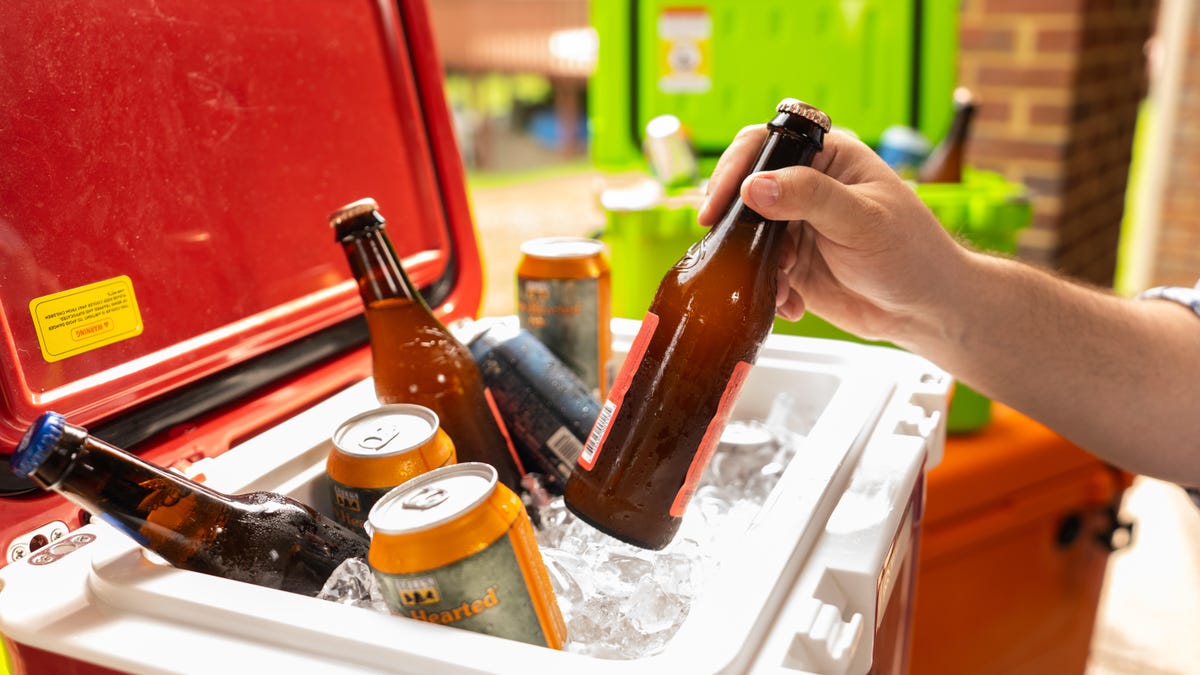
When summer temperatures spike, a mediocre cooler won't cut it. We tracked the temperature retention of 12 new models to find the top six ice chests and electric coolers to help keep your beverages cold and your ice from melting.
Adam Doud
CNET
2 min read
4/10
Key Takeaways
- CNET evaluated 12 cooler models in summer 2025, using temperature tracking over extended periods in high ambient heat.
- Only six coolers (three ice chests and three electric models) earned a spot on the final top list based on ice retention and performance.
- Electric coolers can maintain temperatures as low as 32°F indefinitely if connected to a 12V or AC power source, but drain batteries when unplugged.
- High-end rotomolded ice chests from market leaders like Yeti and Pelican can keep ice frozen for up to 10 days in 90°F conditions, according to independent tests.
- Prices across the top six range from roughly $150 for a mid-size ice chest to over $1,200 for a premium electric cooler with compressor cooling.
- The review underscores that insulation thickness (2–3 inches for premium models) is the primary factor in passive ice retention.
Frequently Asked Questions
CNET's top picks include a mix of premium ice chests and electric coolers. The best choice depends on whether you need passive ice retention for off-grid trips or active cooling with a power source. Full results are available in the review.
Electric coolers use a compressor or thermoelectric system to actively transfer heat out of the insulated compartment. They plug into a 12V car outlet, a portable battery, or standard AC power, allowing precise temperature control down to freezing or below.
Premium rotomolded coolers with thick insulation (2–3 inches) and airtight gaskets can keep ice frozen for up to 10 days in 90°F weather, depending on opening frequency and pre-cooling.
Electric coolers offer convenience and consistent cold without ice management, but they require a power source and are heavier. Ice chests are simpler, more portable, and better for remote use. The 'better' choice depends on your trip type.
Rotomolded coolers from Yeti, Pelican, and RTIC are known for superior insulation due to the molding process that creates thick, uniform walls. However, electric coolers with compressors can actively maintain cold regardless of ambient heat.
Prices vary widely. A solid mid-size ice chest starts around $100, while premium rotomolded models run $300–$600. Electric coolers range from $200 for basic thermoelectric units to over $1,200 for large compressor models with smart features.
Topics
Original source
www.cnet.com
Discussion
Join the discussion
Sign in to post a comment or reply.
No comments yet. Be the first to share your thoughts!