Buying a new phone doesn't have to be a headache. Fifteen years of hands-on testing reveal a simple truth: most shoppers overpay because they ignore timing and trade-in math. The key is knowing when to buy, what to prioritize, and how to separate hype from real value.
Every year, millions of consumers rush to buy the latest iPhone or flagship Android device on launch day. But the smartest purchase often happens months later, when prices drop and early bugs are fixed. CNET’s veteran phone reviewer, who has tested hundreds of handsets since 2009, argues that patience pays off. The difference between paying $1,099 for a Galaxy S24 Ultra at launch and $899 on Black Friday is more than cash—it’s the ability to buy a better phone later.
The smartphone market has matured. Hardware improvements from generation to generation are incremental. Processors like the A18 Bionic or Snapdragon 8 Gen 3 are overkill for most users. Cameras have plateaued; software support now spans five to seven years. That means a two-year-old flagship often performs as well as a brand-new mid-range phone. The real differentiators are battery life, screen quality, and ecosystem lock-in.
Timing is everything. The best window for iPhone deals is September through November, right after Apple’s September event. Android flagships get deep discounts during Amazon Prime Day and Black Friday. Carrier trade-in offers can slash $800 off a new device, but only if you trade a phone less than three years old. Unlocked phones cost more upfront but save you money on monthly plans and let you switch carriers freely.
New phone shopping tips include checking certified refurbished models from Apple or Samsung, which come with new batteries and full warranties. Many buyers overlook these, saving 30–40% compared to new. Also, pay attention to storage tiers: base models often have limited storage, but cloud services can reduce the need for 512GB. Buying last year’s model when the next one drops almost always yields the best value.
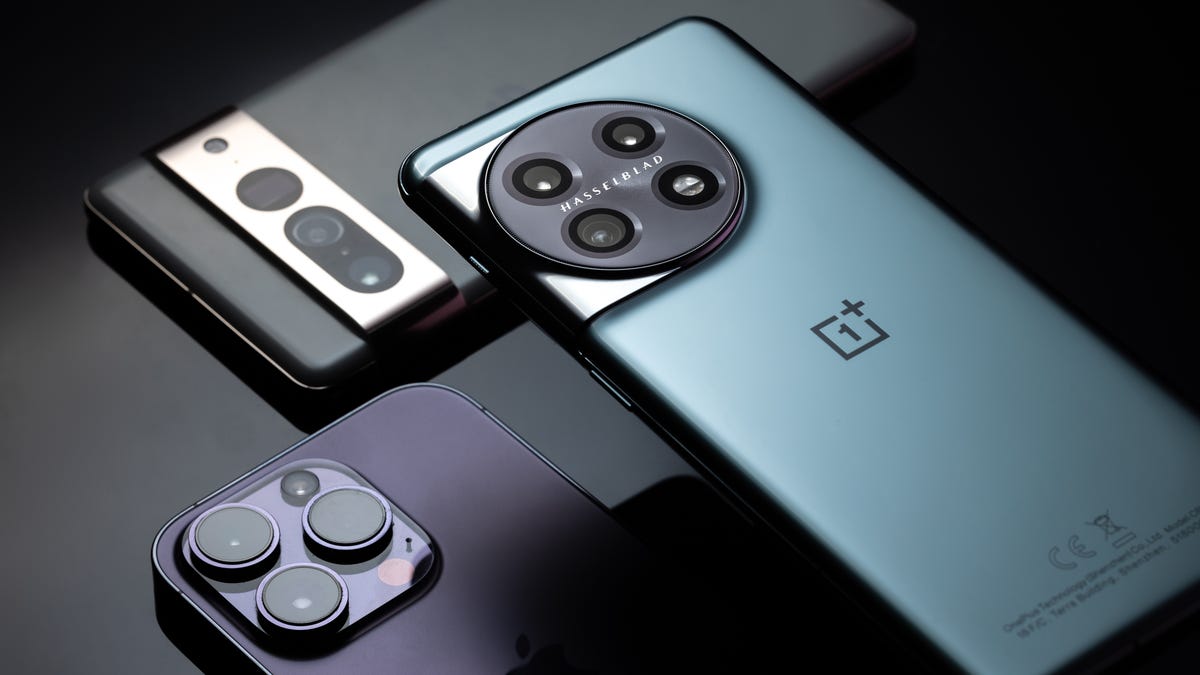
Another crucial tip: don’t let carrier exclusivity trap you. The latest iPhone or Galaxy works on all major networks, but some deals require a 36-month installment plan. Read the fine print—early termination fees can erase any discount. A cheaper phone from a smaller brand like OnePlus or Google Pixel can often deliver 90% of the flagship experience for half the price.
The broader implication is clear: the smartphone upgrade cycle is slowing because hardware is good enough. Analysts at IDC report that the average replacement cycle has stretched to 3.5 years. That trend pressures manufacturers to add gimmicks like AI features and foldable screens to justify higher prices. Consumers who resist the hype and follow these new phone shopping tips will keep hundreds of dollars in their pockets.
What happens next? The September iPhone 17 launch will trigger another wave of trade-in promotions. Android-makers will counter with holiday bundles. Smart buyers will ignore launch day frenzy and set calendar alerts for October and November. If you need a new phone now, a refurbished iPhone 14 or Galaxy S23 is a smarter buy than a brand-new mid-range device. The headache doesn’t have to exist—just apply the tips from a tester who has seen 15 years of phones.
Technology
→ Neutral
Need a New iPhone or Android Phone? Read My Tips Before You Shop
Shopping for a new phone can be a headache. I've tested phones for 15 years so I know what to look for.
Andrew Lanxon
CNET
3 min read
4/10
Key Takeaways
- Average smartphone retail price rose to $1,002 in 2024, up 11% from 2023, driven by premium upgrades and foldables.
- The best deal window for iPhones is September–November; for Android flagships it’s Amazon Prime Day and Black Friday, with discounts of up to 40%.
- Carrier trade-in offers can reduce a new phone cost by $800, but require a 36-month installment plan and trade of a device less than 3 years old.
- Certified refurbished phones from Apple and Samsung save 30–40% and include new batteries and full warranties, making them smarter buys than mid-range new models.
- IDC reports the average smartphone replacement cycle has stretched to 3.5 years, the longest in history, as incremental hardware improvements diminish.
Frequently Asked Questions
The best time to buy a new phone is during major sales events like Black Friday, Amazon Prime Day, or immediately after a new model launch. For iPhones, the window from September to November offers the steepest discounts and the best trade-in deals. For Android phones, Black Friday and Prime Day deliver price cuts up to 40%.
Your choice depends on ecosystem preference and budget. iPhones offer longer software support (6-7 years) and seamless integration with Apple devices. Android phones provide more variety in price, features like foldable screens, and deeper customization. For value, Google Pixel or Samsung’s mid-range A-series often beat premium models.
Battery life and display quality are the most impactful specs for daily use. A 120Hz screen and a battery lasting over 8 hours of screen-on time matter more than a cutting-edge processor. Camera systems have plateaued; even mid-range phones now take great photos. Ensure at least 128GB storage or use cloud services.
Combine a carrier trade-in with a holiday sale for maximum savings. Buy unlocked or certified refurbished models from the manufacturer to avoid carrier contract traps. Comparison shop across carriers and retailers like Amazon, Best Buy, and backmarket.com. Sign up for price-drop alerts on Slickdeals.
Yes, buying last year’s flagship is often the best value play. For example, an iPhone 14 Pro or Samsung Galaxy S23 Ultra still offers top-tier performance, camera quality, and several years of software updates at a 30–40% discount. Only buy the latest if you need the newest camera tech or AI features.
Topics
Original source
www.cnet.com
Discussion
Join the discussion
Sign in to post a comment or reply.
No comments yet. Be the first to share your thoughts!