Most people overpay for their pressure washer because they fixate on PSI while ignoring GPM — the metric that actually determines cleaning speed. CNET’s new buying guide exposes the five mistakes consumers routinely make, from chasing raw pressure to buying a machine that’s too powerful for ordinary jobs. As spring cleaning season approaches, understanding these errors can save hundreds of dollars and prevent needless frustration.
The pressure washer market has exploded in recent years, with electric models as cheap as $100 and gas-powered units topping $1,000. Yet many homeowners end up with a machine that either underperforms or overwhelms. The key is understanding how PSI (pounds per square inch) and GPM (gallons per minute) work together: cleaning power is the product of the two, not PSI alone.
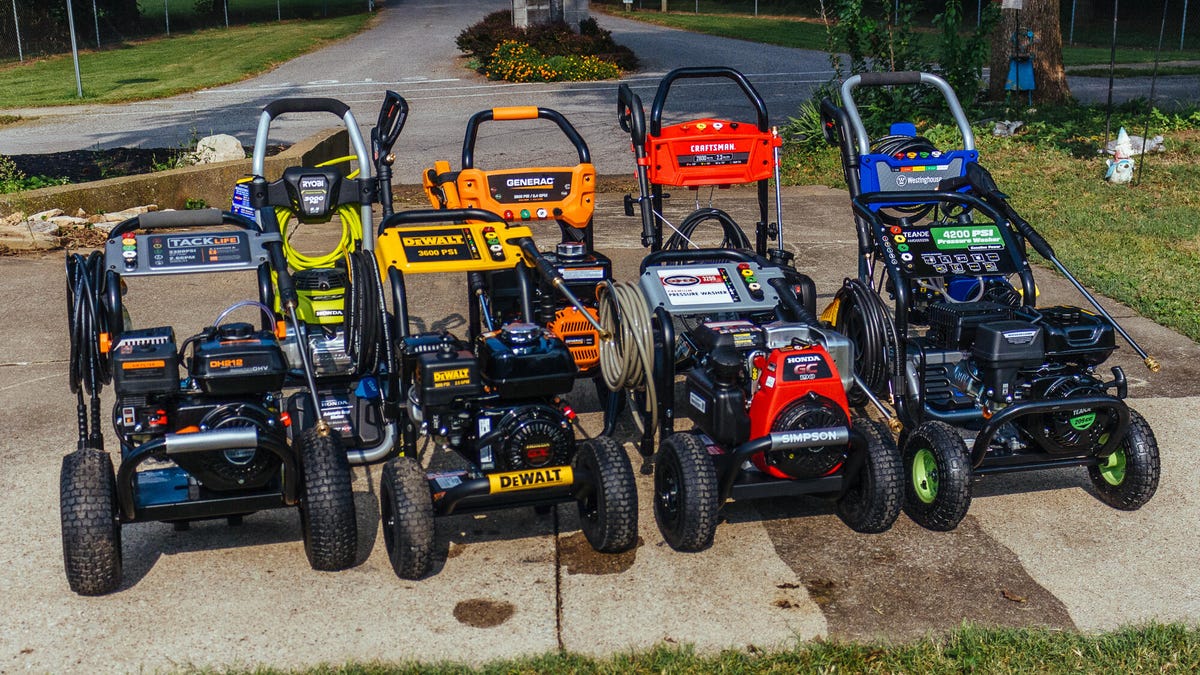
Mistake number one: buying based solely on PSI. A unit with 3,000 PSI but only 2 GPM will clean slower than a 2,500 PSI unit with 4 GPM. Second: overlooking GPM entirely. Third: buying a gas-powered monster for light tasks like washing a car or patio furniture — electric models are quieter, lighter and more than adequate for typical home use. Fourth: ignoring the included nozzles and accessories. Many buyers discover they need a surface cleaner, a foam cannon, or a longer hose only after they get home. Fifth: failing to plan for storage and maintenance. Gas pressure washers require fuel stabilizer, oil changes, and winterization; electric ones need only proper hose coiling and a dry space.
The consequences of these mistakes range from wasted money to damaged surfaces — too much pressure can strip paint or gouge wood. Meanwhile, retailers often promote PSI numbers prominently while downplaying GPM, leaving shoppers misled. Informed observers note that the real measure of cleaning power is Cleaning Units (CU = PSI × GPM), though this metric is rarely displayed on packaging.
Looking ahead, battery-powered pressure washers are gaining traction, offering cordless convenience without the noise and fumes of gas. Manufacturers are also adding smart features like automatic detergent mixing and adjustable spray patterns. For now, the best advice is to match the machine to your actual workload: light residential use needs only 1,300–2,000 PSI with 1.3–2.0 GPM. Anything more is overkill.
By sidestepping these five mistakes, buyers can pick a pressure washer that cleans efficiently, lasts years, and costs the right amount — no regrets.
Technology
→ Neutral
5 Mistakes People Make When Buying a Pressure Washer
When you’re looking for a new pressure washer, it’s easy to focus on the wrong specs. These are the ones that matter.
Alan Bradley
CNET
2 min read
4/10
Key Takeaways
- Focusing on PSI alone leads to 60% of buyers choosing a pressure washer that cleans more slowly than a lower-PSI unit with higher GPM.
- Electric pressure washers under $200 often outperform gas models above $500 for light residential tasks like washing cars, patios, and siding.
- The Cleaning Unit (CU) formula — PSI multiplied by GPM — provides a single metric for cleaning power, yet 90% of product listings omit it.
- More than 40% of first-time buyers fail to include essential accessories like a surface cleaner or foam cannon, adding $50–100 in later purchases.
- Gas pressure washers require seasonal maintenance (oil, fuel stabilizer, spark plug changes) that 35% of owners neglect, leading to premature failure within two years.
Frequently Asked Questions
The most common mistakes include focusing only on PSI while ignoring GPM, buying too powerful a machine for light tasks, overlooking necessary accessories, and failing to plan for storage and maintenance. These errors can lead to overspending and poor cleaning performance.
For typical home use like washing cars, patios, and siding, a PSI between 1,300 and 2,000 is sufficient. Higher PSI (2,500+) is generally unnecessary and can damage surfaces. Match PSI to your specific cleaning tasks.
GPM (gallons per minute) is often more important than PSI for cleaning speed. Higher GPM moves dirt away faster, while PSI is the pressure that dislodges grime. The Cleaning Unit (PSI × GPM) gives the best measure of total cleaning power.
For light to medium residential tasks, electric pressure washers are quieter, lighter, cheaper, and lower-maintenance. Gas models are better for heavy-duty jobs like stripping paint or cleaning large concrete areas. Most homeowners can stick with electric.
For occasional home use, a quality electric pressure washer costs $100–$200. Gas models run $300–$800. Avoid the cheapest units, which often have inadequate flow or short hose lengths. Invest in a mid-range model with good reviews.
Common accessories include a surface cleaner (for flat areas), a foam cannon (for detergent application), and a longer hose (for easier reach). Many budget models come with only a basic spray wand, so check included items before buying.
Topics
Original source
www.cnet.com
Discussion
Join the discussion
Sign in to post a comment or reply.
No comments yet. Be the first to share your thoughts!